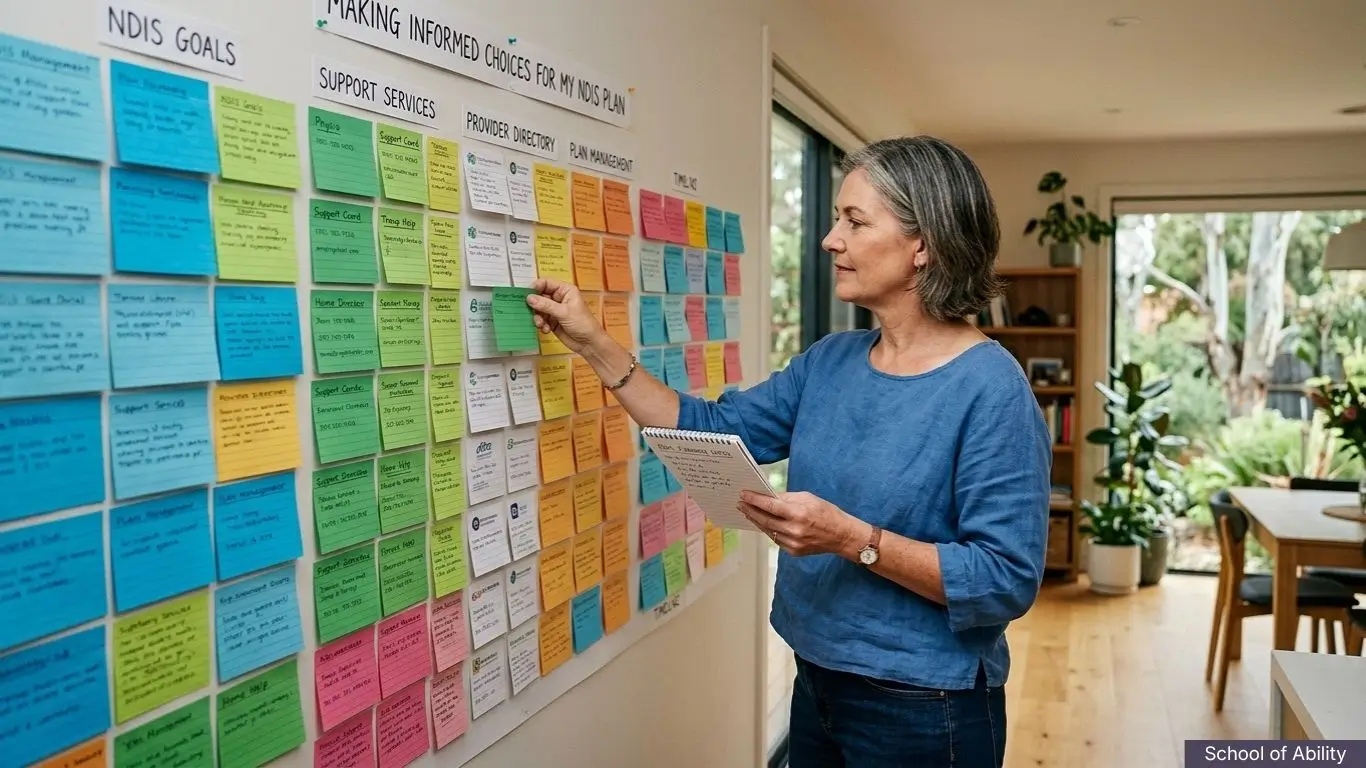
Choosing the right NDIS provider is one of the most important decisions you will make as an NDIS participant. The provider you choose will directly impact the quality of your disability care, how well your supports are delivered, and whether you make progress toward your NDIS goals.
Under the National Disability Insurance Scheme, participants have the right to choose and control who provides their supports. This is one of the core principles of the NDIS, your plan is built around your needs, and you get to decide who helps you meet them. But with so many providers available across Australia, knowing how to choose an NDIS provider that is genuinely the right fit for you can feel overwhelming.
That is where asking the right questions makes all the difference. Not every provider operates the same way. Some focus on specific disabilities. Others offer a broader range of services. Some have large teams; others are smaller and more personalised. Before you sign a service agreement or commit to any provider, taking the time to ask a few key questions can save you from frustration, disruption, and wasted NDIS funding down the track.
This guide gives you 10 essential questions to ask an NDIS provider before you decide, along with a practical NDIS provider checklist and red flags to watch out for.
What Should You Know Before Choosing an NDIS Provider?

It is helpful to be familiar with your own situation before you begin contacting providers. First, take the time to read your NDIS plan thoroughly. Your plan will include your approved funding, your goals and the supports you are funded for.
Knowing these details will assist you with knowing what to ask and who can actually provide you with what you need.
It’s also crucial to know where your money is going. There are three key funding options for the NDIS:
- Agency-managed (NDIA-managed): Only registered NDIS providers can be used.
- Plan management: You can use both registered and unregistered providers, and a plan manager pays the money.
- Self-managed: You manage your own funding and have the most flexibility to choose providers.
Knowing which category applies to you will shape which providers are available to you, so this is a good starting point before you begin vetting disability support providers.
Question #1: Is the Provider NDIS Registered?
The first thing to check is if the provider is NDIS registered. A registered provider has been reviewed against the NDIS Practice Standards and is subject to the regulation of the NDIS Quality and Safeguards Commission. This means that they must adhere to certain requirements in terms of service delivery, staff qualifications and participant safety.
If funded by the NDIA, registered providers must be used. Plan-managed or self-managed individuals have greater flexibility and may also be able to access unregistered providers, which may be a suitable choice for some types of support, especially community-based or informal supports.
The NDIS website has a Provider Finder tool that can be used to check if a provider is registered. If you are speaking directly with a provider, ask them to verify their registration and their registration groups (the kinds of supports they are registered to provide).
Question #2: What Services Do You Provide?
There are a variety of different types of supports available and not all providers will be able to provide all of them. Some concentrate on daily activities such as bathing, dressing and grooming. Others engage in community involvement, domestic help, transportation help or capacity building supports that help participants build skills and independence over time.
If you call a provider, ask them to explain all the services they provide. Consider your current needs, as well as future needs. If your circumstances change, can this provider grow with you? Choosing a provider that can meet both your current and future requirements can help you avoid the hassle of switching providers later.
Some providers also have innovative community participation programs or special disability care services, if applicable, so be sure to inquire about these if they are relevant to your objectives.
Question #3: How Will You Help Me Achieve My NDIS Goals?
The basis of your plan is your goals from your NDIS. All supports should be contributing to a goal that is meaningful to you, e.g. living more independently, making connections, improving health, learning new skills, etc.
A good provider will listen to your individual goals and develop a plan to support you that is truly person centred. They should be able to tell you how their services fit into your goals and how they will monitor and review your progress over time.
When a provider isn’t able to articulate how they will help you achieve your goals, or when they respond with a vague or generic answer, that’s something to consider. NDIS participants should have providers that treat them as a person and not just a client on a list.

Question #4: What Are Your Prices and Are They in Line With NDIS Pricing Arrangements?
It is important to know the cost of the services before you sign any provider. The NDIS Pricing Arrangements and Price Limits document outlines price limits for most supports, and is updated regularly by the NDIS. Registered providers cannot charge above these limits for most services.
However, there are additional costs that some providers charge which you should ask about upfront. These can include:
- Travel expenses: some providers may charge a fee for travelling to you and the kilometres travelled.
- Cancellation fees: check the amount of notice required and the cancellation fee if you cancel.
- Loadings for public holidays or after hours: these may be much higher than normal rates.
- Administration or management fees: These are especially important when the provider also provides plan management services.
Request a detailed explanation of the provider’s fees for each service and ensure you know what your NDIS funding is going towards.
Question #5: Who Will Be Providing My Supports?
Sometimes it is the quality of your support that is dependent on the individual support workers that turn up to you. Ask the provider about the qualifications and training their staff are required to have. The NDIS Quality and Safeguards Commission have set screening and training requirements for support workers, which may be more or less than the minimum standards.
It’s also a good time to consider support worker matching. Are there any requirements for the type of worker or communication style? Do you see the same workers regularly or a different one each time? Inconsistent workers who do not know your needs can have a major impact on the quality of disability care.
Lastly, inquire about the provider’s communication with the participants. Is there a point of contact you can easily contact? What do they do when you need to change your schedule, update it, or have questions or concerns?
Question #6: What Happens if My Regular Support Worker Is Unavailable?
This is a ‘real life’ question that many people don’t think of until they find themselves in a difficult situation. If your regular support worker is ill or on leave, or cannot be called in at short notice, what happens to your support?
Inquire about backup plans with the provider. Do they have a pool of replacement staff to call upon? How fast are they to cover? Do you have a contact person outside of business hours in emergency situations?
Consistent service delivery is not something that is nice to have for those who need daily personal activities support, it is a necessity. If you are aware of the provider’s staffing plan, you will be more confident and at ease.
Question #7: How Do You Handle Complaints and Participant Feedback?
Unfortunately, problems can occur even with the best providers. It’s what you do about those issues that counts. Request a tour of the provider’s complaints procedure. Do you have a clear and accessible means of raising concerns? If you’re not happy with a service, who do you go to? How long is the complaint resolution process?
The NDIS Practice Standards stipulate that registered providers must have a complaints management process. They must also respect participant rights, such as the right to complain about services without losing them.
Another question to ask is if the provider actively solicits feedback from the participants. Providers who consistently monitor participants and adjust their services based on the feedback they receive, are more likely to provide overall better services. A yellow flag is when the provider appears indifferent or vague about their complaints procedure.

Question #8: What Does Your Service Agreement Include?
You will likely be required to sign a service contract before you start receiving supports from any NDIS provider. It’s a legal contract that details the conditions of your agreement, and it’s essential you understand it completely before you sign.
Some important points to ask and to check in a service contract are:
- Notice periods: what is the notice period that either party must give to terminate the arrangement?
- Cancellation policies: what is the cancellation policy? What are the cancellation fees?
- Exit clauses: are there any ways to get out if it is not working?
- Service details: are services, frequency and costs clearly described?
- Funding arrangements: does it make it clear how your funding will be spent on your NDIS plan?
When using a plan manager, they may be able to review the service agreements before you sign them. Do take the time with this step: A well-understood service agreement will protect you and the provider.
Question #9: Have You Worked With Participants With Similar Support Needs?
There is value in experience in disability support. A provider with experience working with those who have similar needs to yours will be more familiar with how to support you best. Don’t hesitate to inquire about the kinds of disabilities and support needs they deal with frequently.
If you have a specific condition, complex care needs or a specific cultural background, ask if the provider has experience with this. Comfort and effectiveness of supports can be greatly affected by cultural sensitivity, language support and lived experience.
If you’re looking for providers who have experience working with a variety of NDIS participants, you’ll be pleased to hear they’ll be happy to discuss their experience and might even be able to provide you with references or testimonials from current or past participants.
Question #10: How Flexible Are Your Supports If My Needs Change?
Your needs as an NDIS participant are not set in stone. Your goals in the NDIS can change over time, as can your health or your situation. A good provider should be able to flex with you, change the amount, type and/or level of your supports as needed.
Inquire about what the provider does between plan re-evaluations. How do they support you if you need more support or different services between your next NDIS plan review? Are they able to zoom in or out of supports without having to go through a long process?
A provider that truly puts the participant first will be flexible. Even if they appear to be a good fit on paper today, a rigid provider that doesn’t allow for reasonable changes may not be the best fit in the long run.
Your NDIS Provider Checklist

Use this practical NDIS provider checklist to help guide your conversations with disability support providers when you are seeking to vet them:
- Do they have a registration with the NDIS (if needed for your funding)?
- Are their pricing consistent with NDIS pricing guidelines, and do they make their pricing clear?
- Can they explain how they will help you achieve your goals on the NDIS?
- Do they have a complaints procedure that is easy to understand and readily available?
- Do their supports meet individual needs and are they person-centred?
- Are their service agreements easily understood and have reasonable notice and cancellation provisions?
- Are they able to have substitute support workers if the support worker is not available?
- Are they clear in their communication and do they have a point of contact?
- Do they have experience with participants with similar support needs to yours?
- Do they offer flexibility and adjust your supports when things change?
Having this checklist on hand when you’re talking to potential providers will help you compare fairly and make an informed decision.
Red Flags to Watch Out For When Choosing an NDIS Provider
Most of the providers are professional and well-meaning, but there are some things to be aware of. Below are some indicators that a provider may not be a suitable provider, or may not meet the requirements of the NDIS Quality and Safeguards framework:
- Lack of clarity and/or confusion in pricing: if you don’t get a clear answer on how they charge, then you should be wary.
- The requirement to sign a service agreement right away: a good provider will allow you to take your time.
- Lack of communication: slow to respond, difficult to reach out to, or not answering questions directly.
- Lack of clarity regarding staff qualifications and/or backup plans.
- Not providing information about your rights as an NDIS participant, such as the right to make a complaint.
- Lack of consistency in service provision: cancelled appointments, changes at the last minute or unreliable timetables.
- A one-size-fits-all approach: If a provider cannot show how they will adapt supports to your goals then they are not necessarily person-centred.
The same principles apply to registered providers as well as unregistered providers. Do not do what you feel is not right in the first few conversations, it is better to explore other options before committing.
Conclusion
Choosing an NDIS provider is about more than finding someone who can fill a time slot on your roster. It’s about finding the right fit: a provider who knows your goals, speaks your language, provides consistent quality support and truly cares about your best interests.
These 10 questions will help you make that decision. The more you know, the more you can be prepared to select a provider who can make a difference to your NDIS journey, not just in the short term, but over time.
At School of Ability, we are passionate about supporting every NDIS participant to have a purposeful, respectful and goal focused support. We’d love to chat if you’re searching for a registered provider in New South Wales who takes the time to understand your individual needs. Contact us today to learn how we can help you.
Frequently Asked Questions
What questions should I ask an NDIS provider before signing up?
Prior to choosing an NDIS provider, enquire about their registration, services, pricing, who will provide your supports and how they will support your individual goals within your NDIS plan. It is also important to inquire about their complaints procedure and what is covered by their service agreement prior to making a commitment.
How do I know if an NDIS provider is registered?
The official NDIS website (ndis.gov.au) has a Provider Finder tool you can use to check a provider's registration. Registered providers are subject to the NDIS Practice Standards and regulated by the NDIS Quality and Safeguards Commission. It's also possible to ask the provider directly and get their registration details.
Can I use unregistered providers under the NDIS?
Yes, in many cases. If your NDIS funding is plan-managed or self-managed, you can choose to use unregistered providers for most types of support. However, if your funding is NDIA-managed (agency-managed), you must use registered providers. There are also certain high-risk support types, such as specialist disability accommodation or behaviour support, that require a registered provider regardless of how your funding is managed.
What should an NDIS service agreement include?
A good service agreement should contain the following information: type of services provided, costs, how the NDIS funding will be used, notice periods, cancellation costs, how to make changes to the agreement and your rights as a participant (including your right to terminate the agreement). Always read a service agreement carefully before signing and if you have any questions about the contract, contact your plan manager/support coordinator.
How do I compare different disability support providers?
The first step is to use the NDIS Provider Finder tool to find providers in your local area that provide the supports you need. Compare each provider on the same basis using the checklist and questions in this guide. Take into account their registration, pricing, experience, flexibility, and communication. It is always advisable to consult with more than one provider before making a decision, as you will have a benchmark with which to compare the various providers and help you decide which one is the best overall fit.